One blog. Two kinds of posts.
This is a history blog and a prepper blog in one place. Lessons and Lanterns makes videos and checklists, then turns them into short posts here — big print, plain words, no fluff.
The History Half
Random, interesting, funny true history facts. Stories that sound made up but really happened — space races, world wars, gangsters, and one famous “short” emperor who was not short at all.
Read the history postsThe Prepper Half
Plain plans to get you ready for when the grid goes down. Water, food, light, and power — one calm step at a time, in words anyone can follow.
See the prepper plansEvery history post started as a video on one of the Lessons and Lanterns YouTube channels. Each post has a Watch on YouTube link, so you can watch the story too.
Calculators
Four quick tools for the prepper half of this blog. Type your own numbers — the answers change as you type. No buttons to press.
Food Calculator
Two tools in one: how much food to store, and how long the food you already have will last.
Part 1: How much food do I need?
Part 2: How long will my food last?
Part 3: Add up foods from the guide
Foods named in the Red Cross guide, “Food and Water in an Emergency.” Type how many servings of each food you have. Typical calories — the label on your food wins.
Peanut butter — 2 tablespoons · 190 cal
Canned meat (tuna or chicken) — 1 can · 180 cal
Canned soup — 1 cup · 150 cal
Instant oatmeal — 1 packet · 150 cal
Dry pasta — 2 oz dry · 200 cal
White rice — 1 cup cooked · 200 cal
Canned nuts — 1 oz · 170 cal
Potato — 1 medium · 160 cal
Crackers — 1 oz · 130 cal
Dried fruit — 1/4 cup · 120 cal
Vegetable oil — 1 tablespoon · 120 cal
Fruit juice — 1 cup · 110 cal
Ready-to-eat cereal — 1 cup · 110 cal
Powdered milk — 1 cup made · 90 cal
Canned fruit — 1/2 cup · 60 cal
Jelly — 1 tablespoon · 50 cal
Canned vegetables — 1/2 cup · 35 cal
Hard candy — 1 piece · 25 cal
Soda — 12 oz · 140 cal
Bouillon — 1 cup · 10 cal
Instant coffee or tea, plain — 1 cup · 5 cal
Salt — per serving · 0 cal
These are planning estimates, not guarantees. Real foods vary a little, and so do appetites. Typical calories — the label on your food wins.
Water Calculator
Water comes first in any plan. This works out how much to store, and what it takes to hold it.
These are planning estimates, not guarantees. Hot weather and hard work mean you need more.
The Red Cross guide says: drink at least half a gallon of water a day, and never ration water — drink what you need today.
Power Calculator
Tick the things you want to run when the grid goes down. Change the watts and hours to match your own gear — the label on each item says its real watts.
These are planning estimates, not guarantees. Battery, solar, and fuel numbers are rough — real gear and real weather change them.
Generator Fuel Calculator
How far will the gas you have on hand take you?
These are planning estimates, not guarantees. A generator under a heavy load burns fuel faster.
Watch the Videos
Every history post on this blog started as a video on one of the Lessons and Lanterns YouTube channels. Pick a channel to watch them all — and most history posts below link straight to their own video.
WW1 History Minute ▶
The World War I videos behind all eight WW1 posts below — from the shot in Sarajevo to the Somme and its first tanks.
Space Race Stories ▶
The Sputnik and Explorer 1 videos — how a beeping metal ball started the race to space.
Funny True History ▶
Funny, strange, true stories — like the video behind “Napoleon Was Not Short.”
Stickman Mob History ▶
Gangster stories in stickman form — including the Prohibition video behind the Mob post below.
Trending
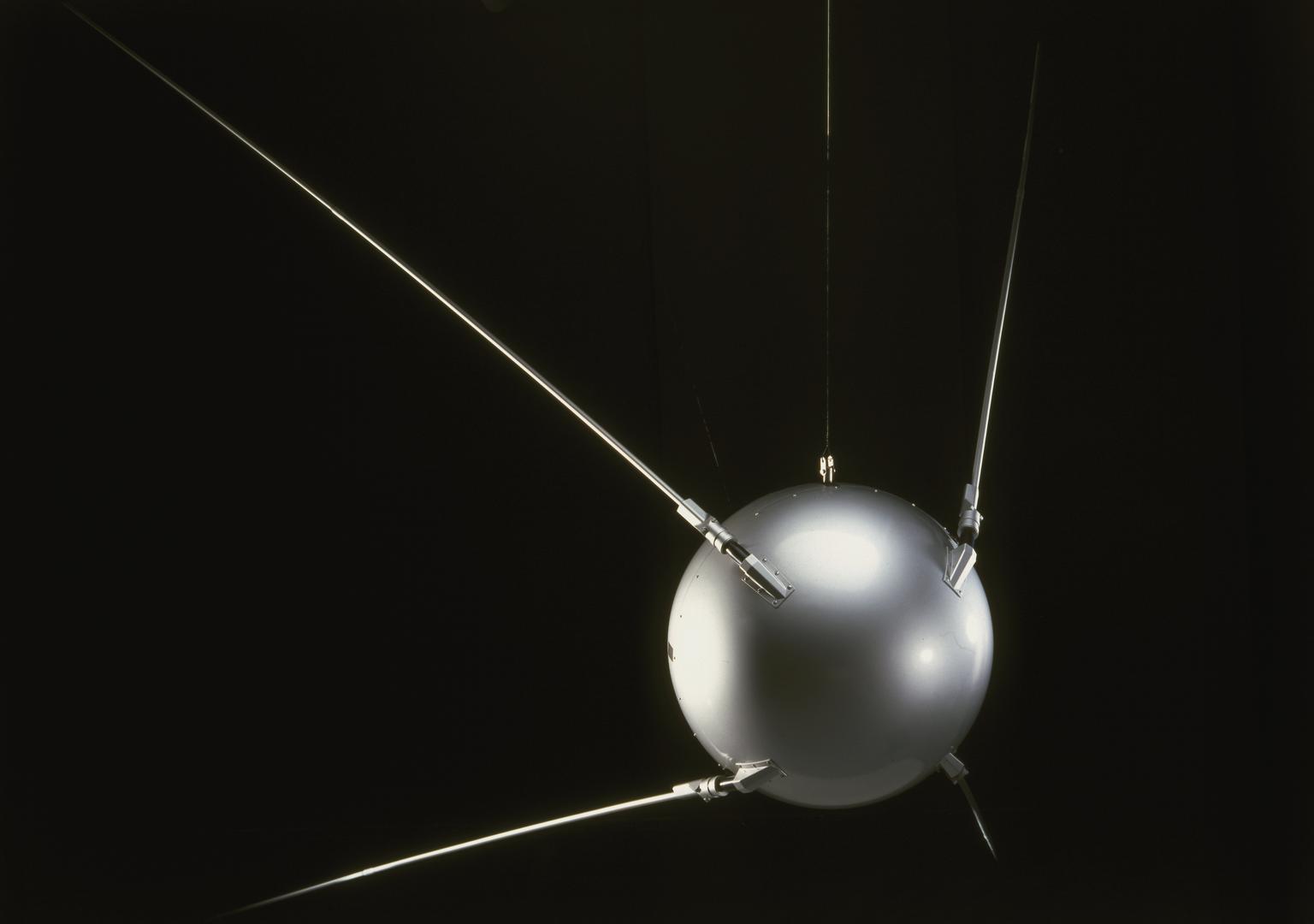
History · Space Race Stories
Sputnik: The Beep That Started the Space Race
In 1957 a metal ball went over every head on Earth, beeping. Nobody had ever seen anything like it. This is how the Space Race began.
History
16 postsTrue stories, told plain. Space races, world wars, gangsters, and the odd tale that sounds made up but is not. The World War I story is told in war order, in eight parts — start with Part 1.
World War I — The Story in Order
Eight posts that tell the First World War in the order it happened, from the first shot in 1914 to the Somme and the first tanks. From the Lessons and Lanterns WW1 History Minute videos.
History · WW1 History Minute
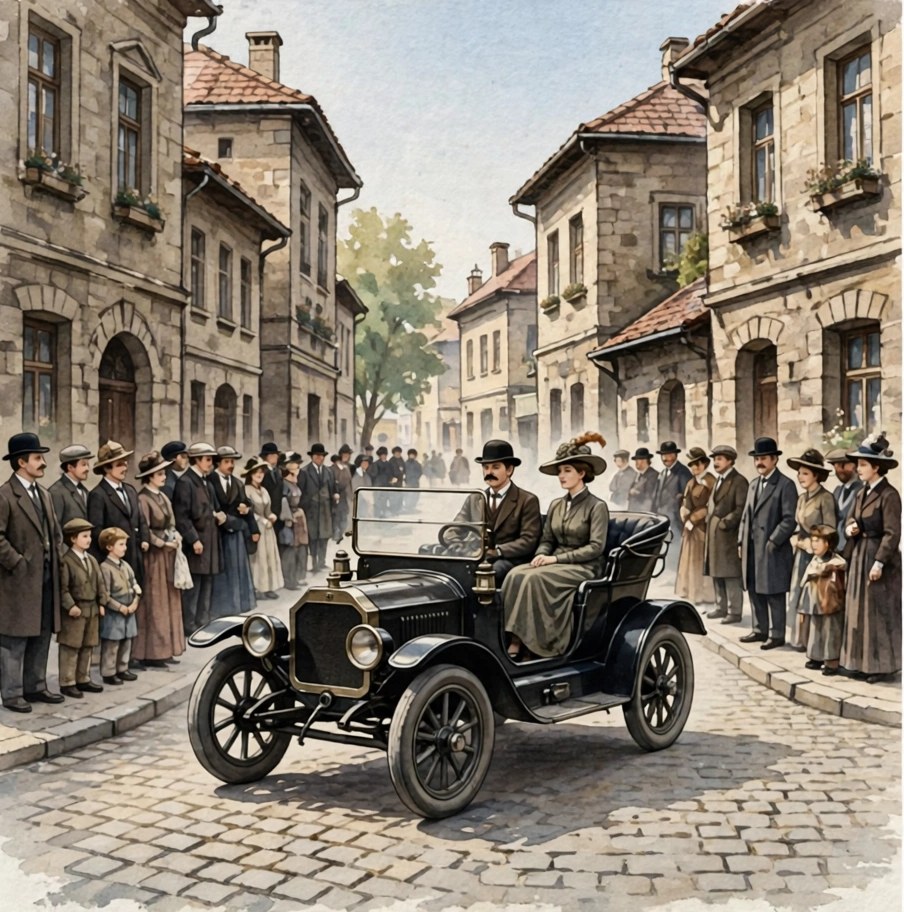
Part 1The Shot That Started a War
An archduke, a wrong turn, and a 19-year-old standing in exactly the wrong place. Two shots in Sarajevo lit the fuse of a world war.
History · WW1 History Minute
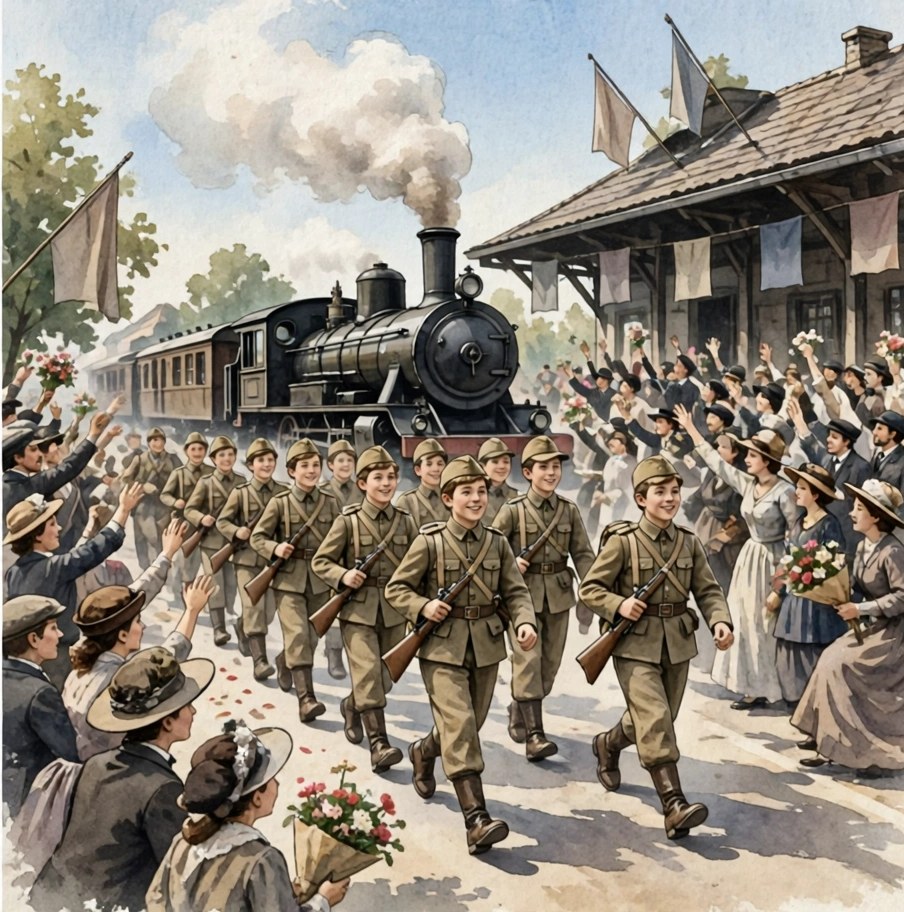
Part 2War Begins: Home by Christmas
In one week of August 1914, country after country jumped in. The soldiers marched off cheering, sure they would be home by Christmas.
History · WW1 History Minute
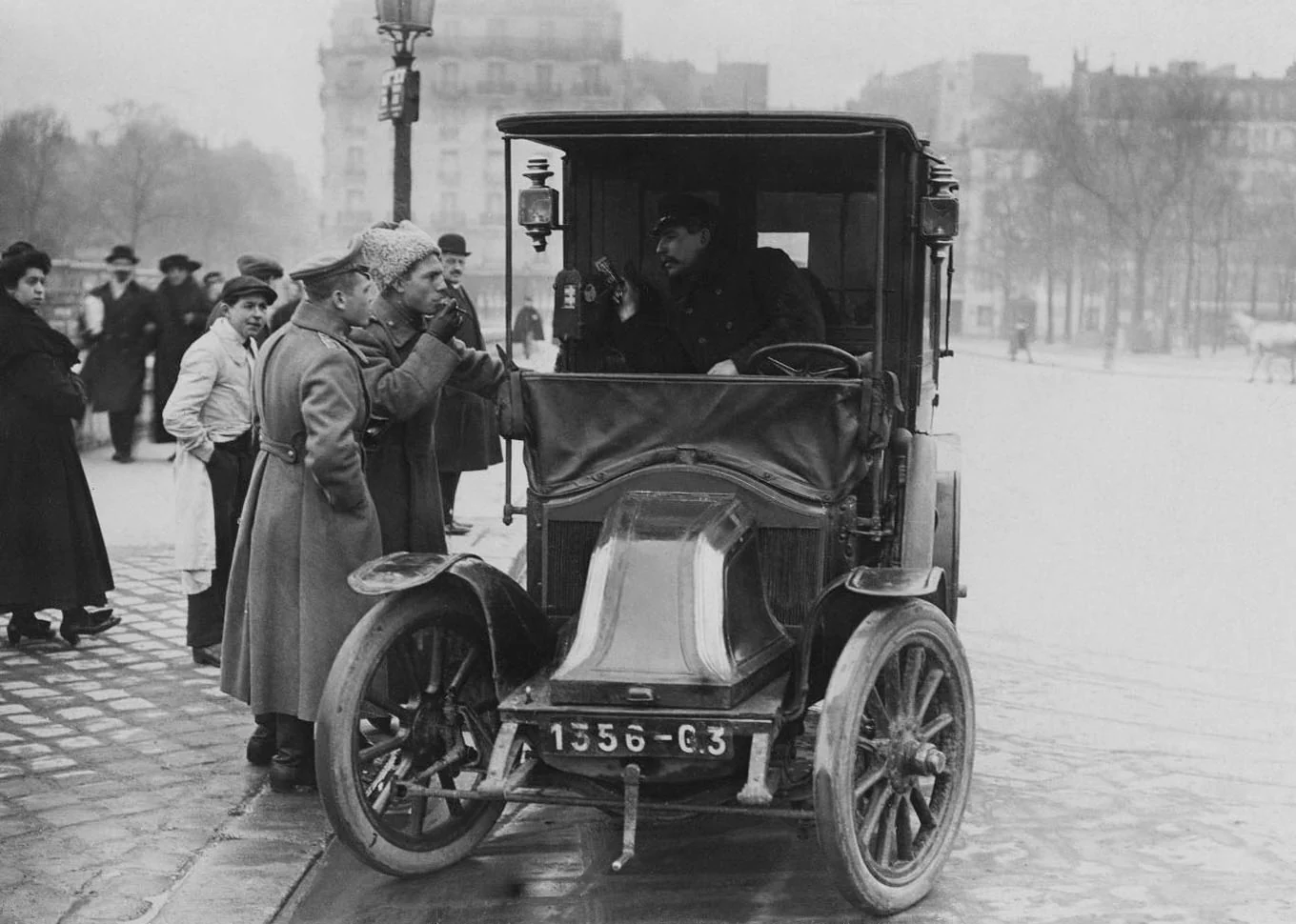
Part 3The Taxis of Paris, 1914
Paris needed soldiers at the front, fast. So the army did something wild. It called the city’s taxi drivers.
History · WW1 History Minute
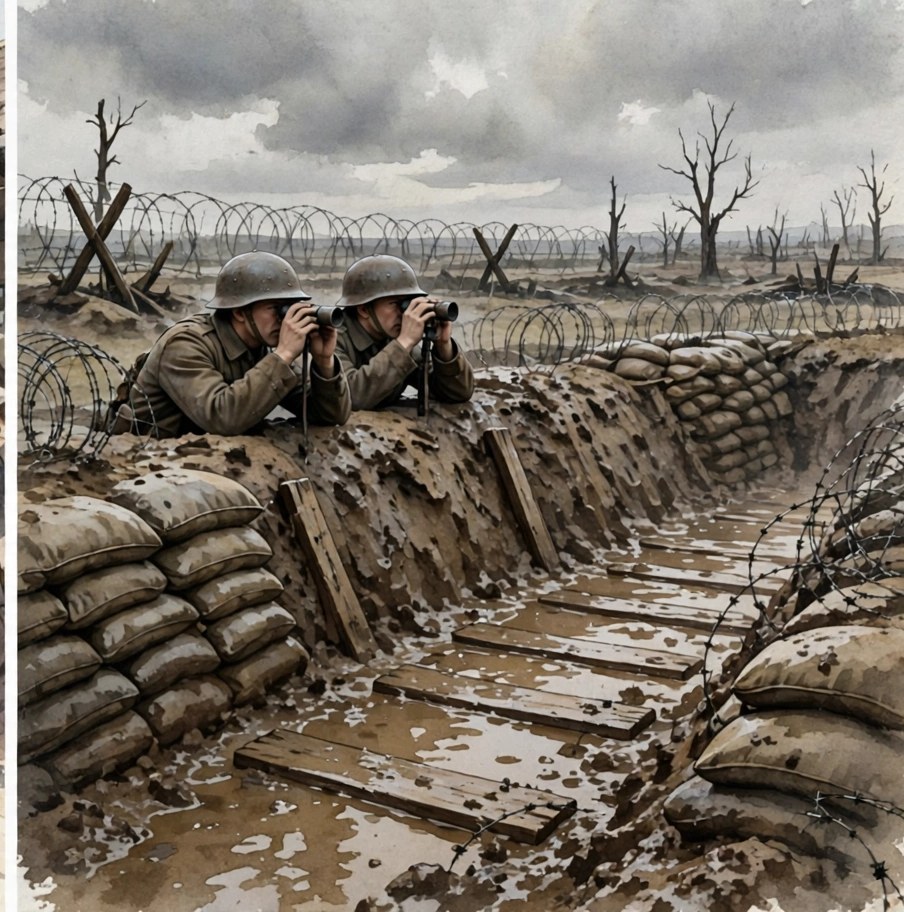
Part 4The Trenches Begin
When the fast war failed, the soldiers dug — 475 miles of mud, rats, and wire. Plus the Christmas Day the war stopped for songs and handshakes.
History · WW1 History Minute
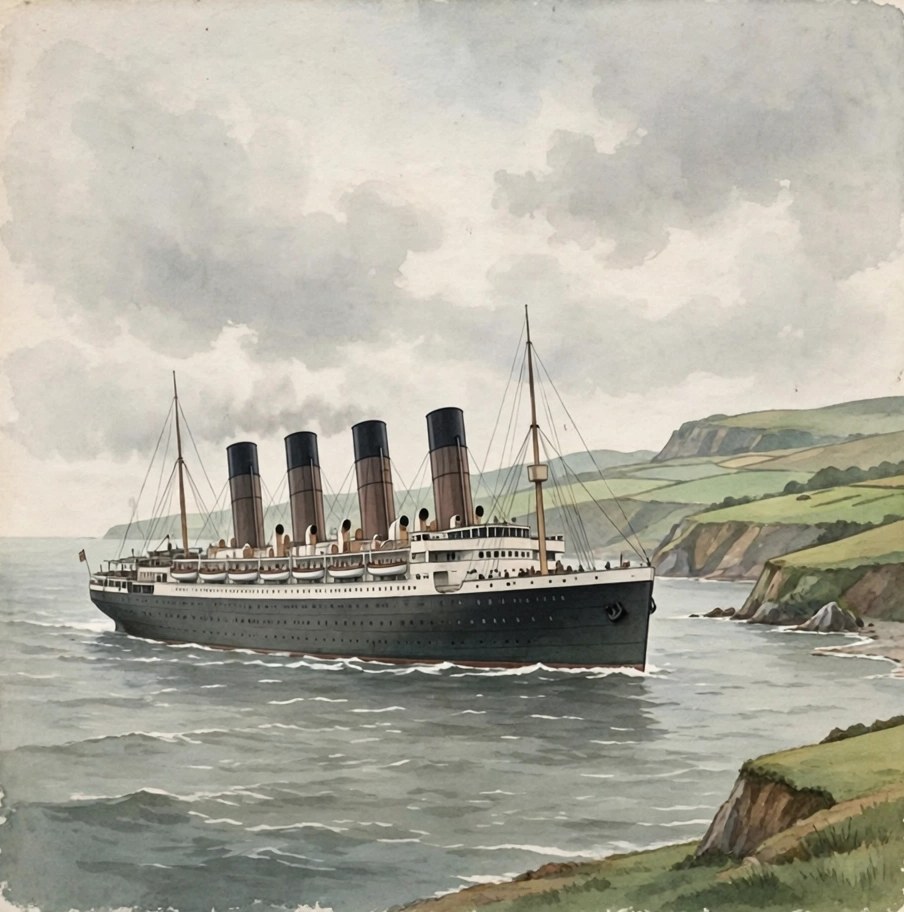
Part 5The Lusitania Sinks
The grandest ship in the world, one torpedo, and 18 minutes. The sinking that turned America against Germany.
History · WW1 History Minute
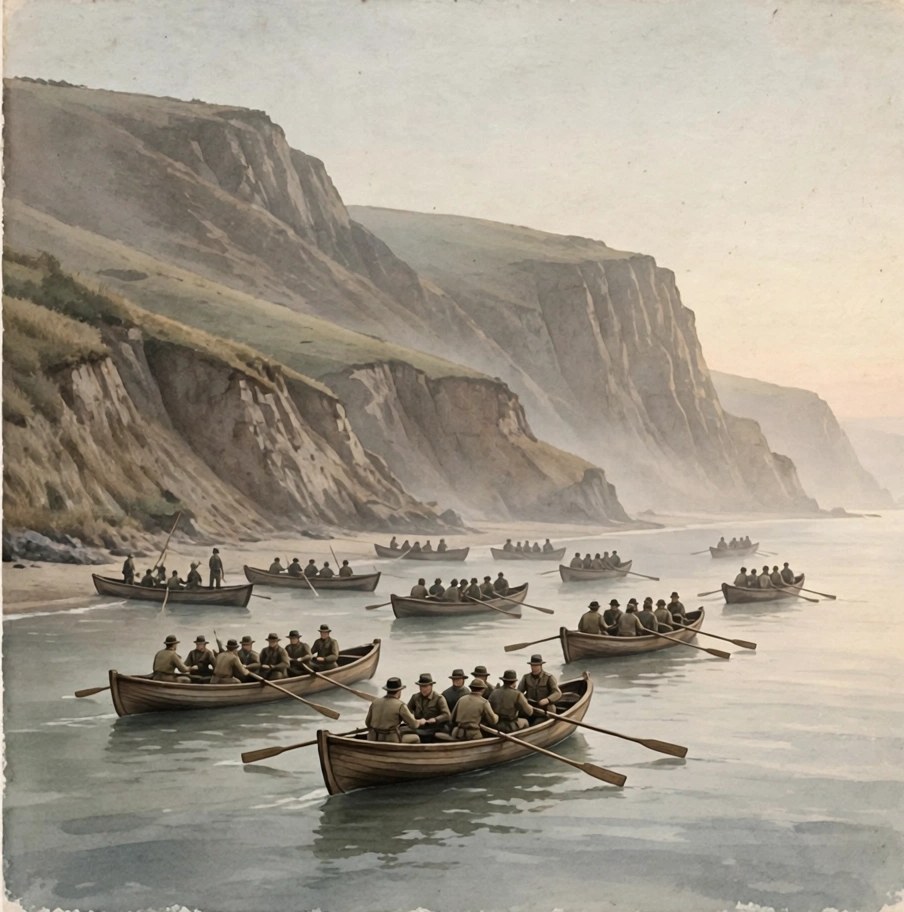
Part 6Gallipoli Fails
A bold plan to win the war through a side door — that got stuck on the beaches for eight months. The best-run part was the leaving.
History · WW1 History Minute
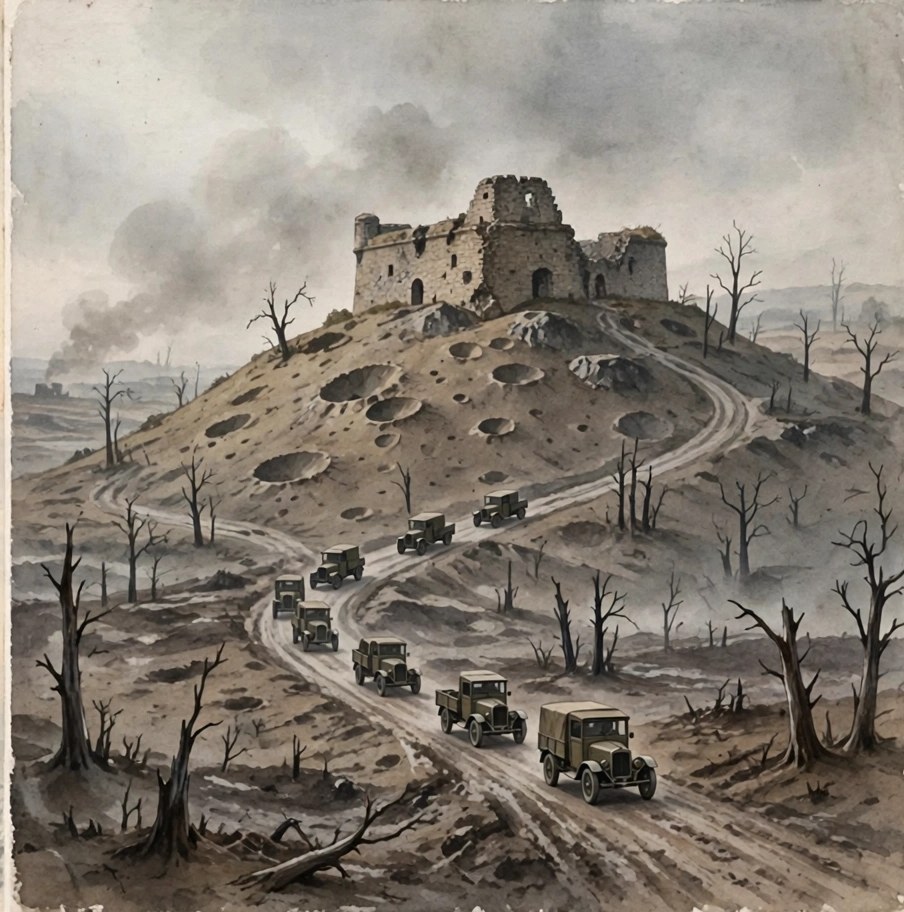
Part 7Verdun Held
The longest battle of the war: 302 days over one fortress city, and a road of trucks that never stopped. France held.
History · WW1 History Minute
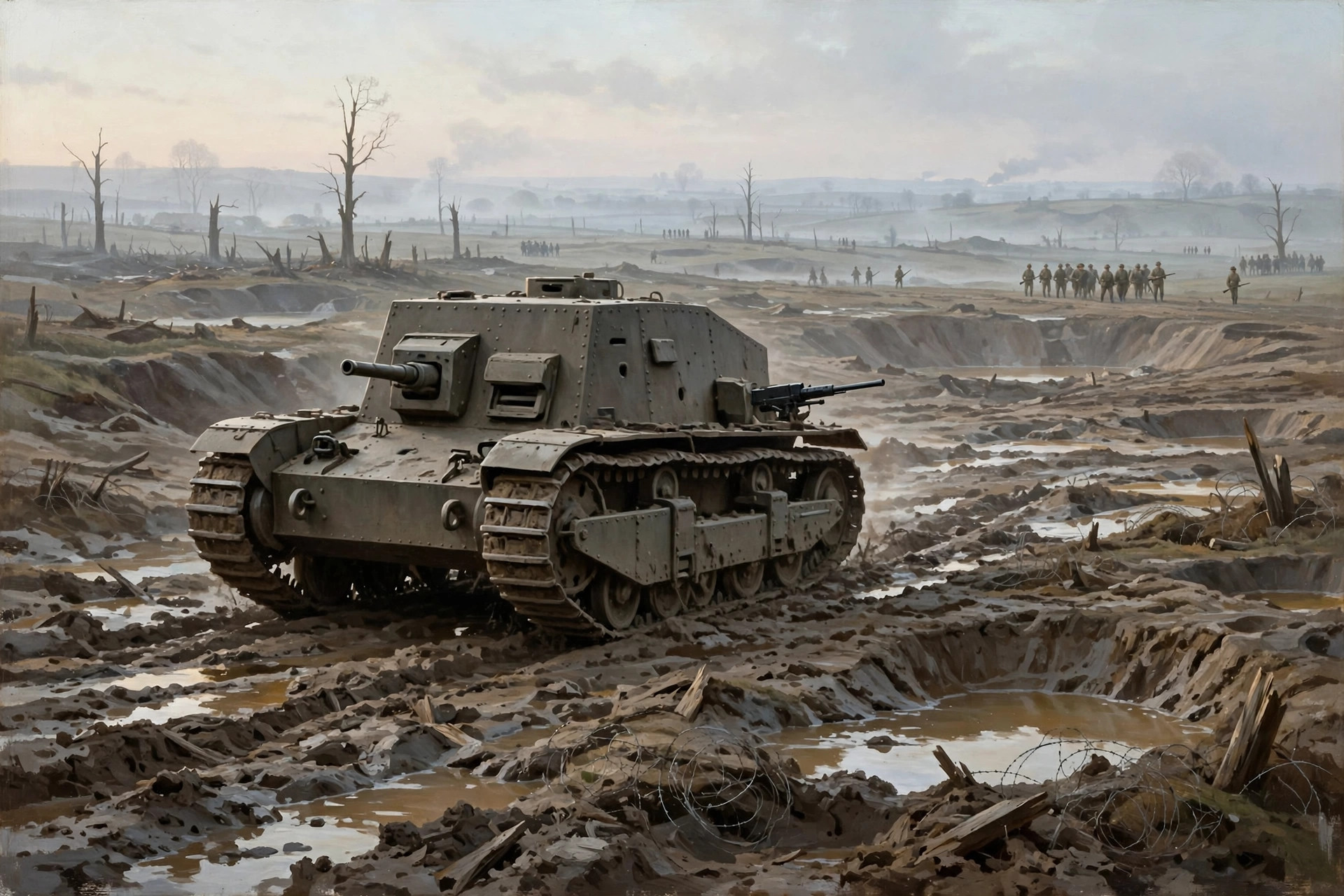
Part 8The Somme — The First Tanks
The biggest battle yet — and a strange new machine rolled into war for the first time: the tank.
More History Stories
Space races, myths busted, and the Mob — more true stories from the other Lessons and Lanterns channels.
History · Space Race Stories
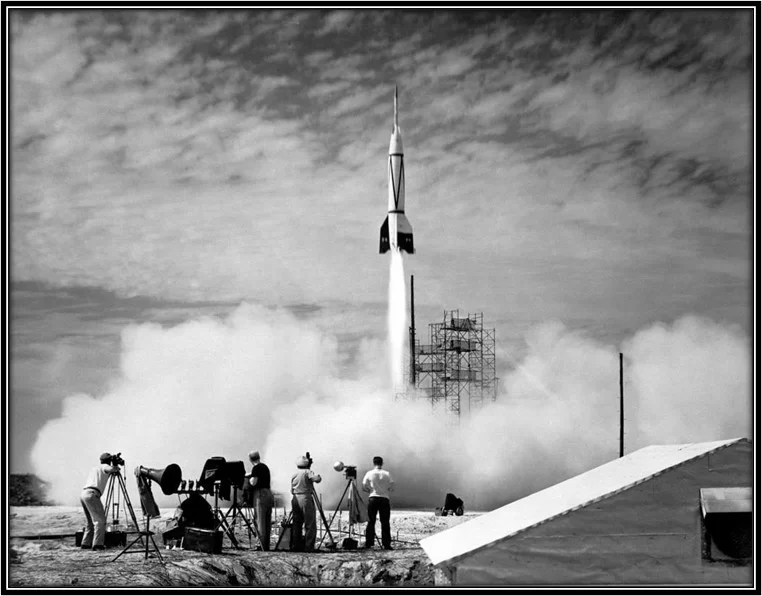
Explorer 1: America’s Answer
America’s first try blew up on live TV. Fifty-six days later, a small rocket from Florida fixed that — and found something nobody expected.
History · Funny True History
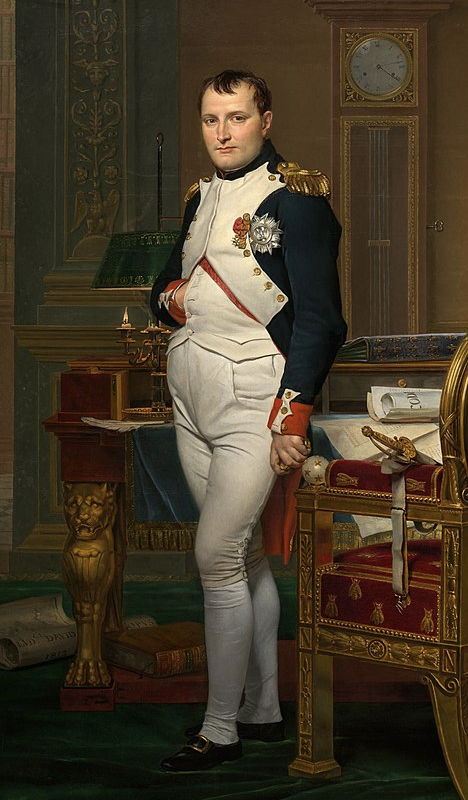
Napoleon Was Not Short
Everyone “knows” Napoleon was tiny. Everyone is wrong. The truth is a mix-up with inches — and some very clever cartoons.
History · Funny True History
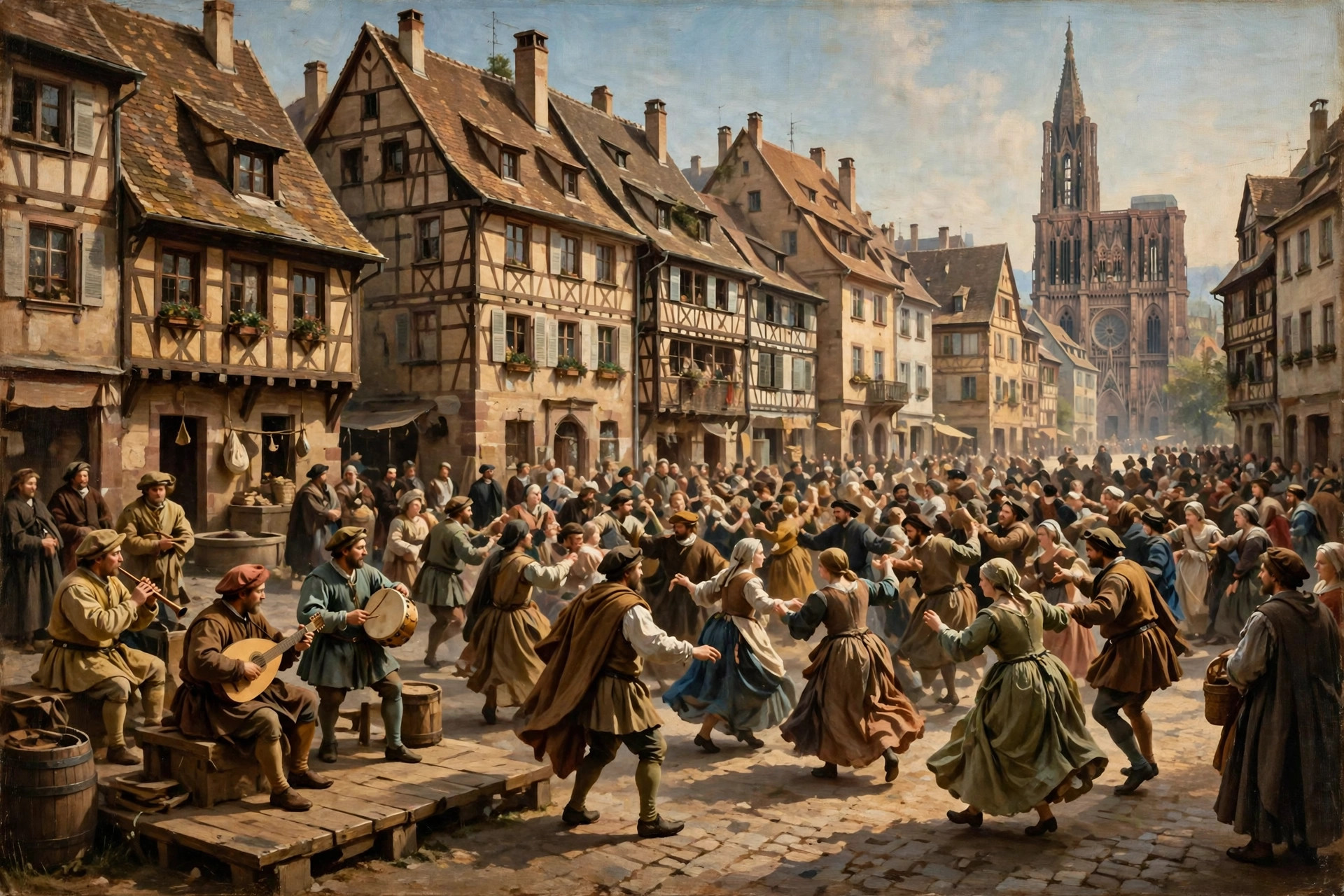
The Dancing Plague of 1518
A woman started dancing in the street — and could not stop. Then her neighbors joined in. For weeks.
History · Funny True History
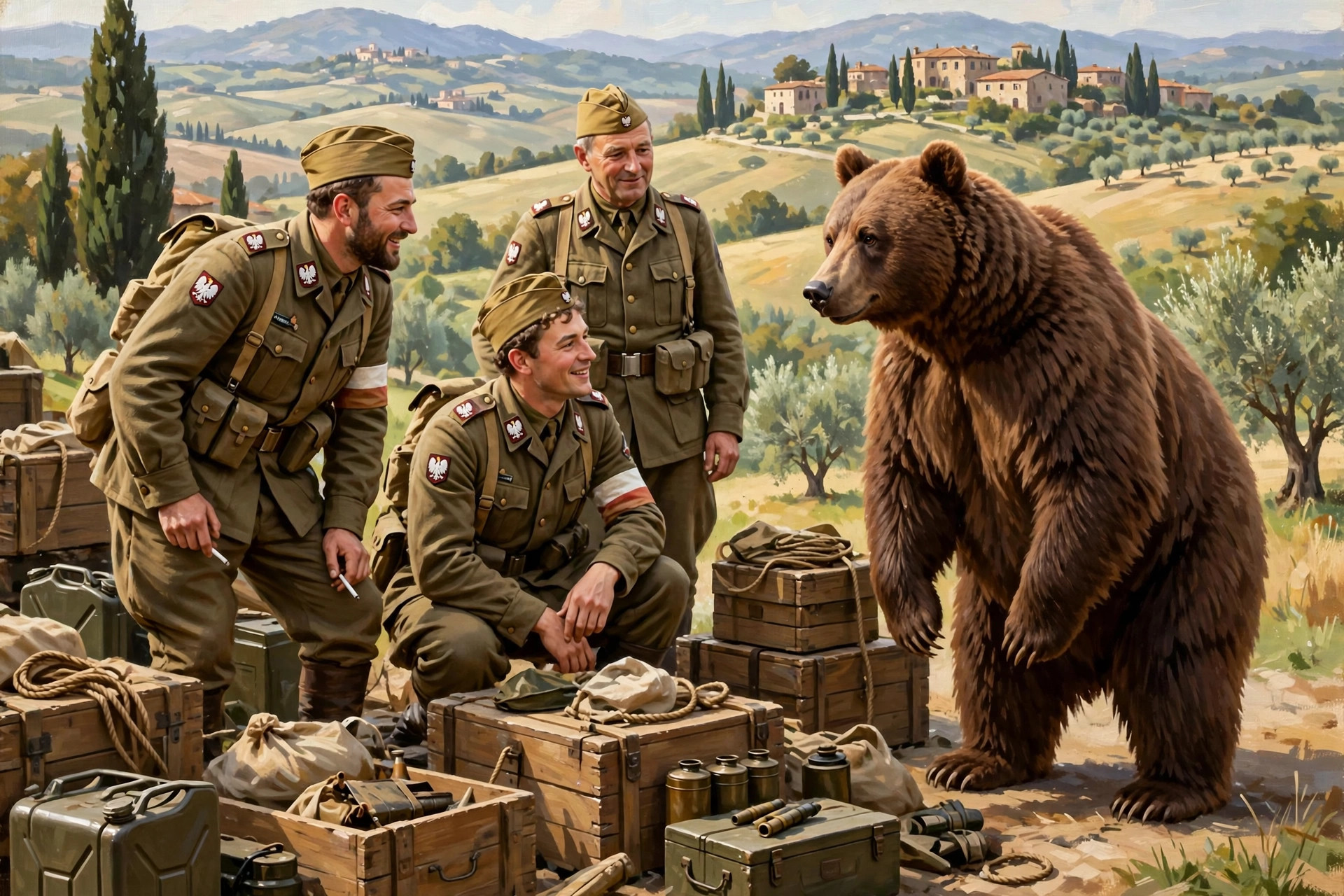
Wojtek the Bear Soldier
Polish soldiers adopted a bear cub. He grew up, joined the army for real — rank, pay book, and all — and helped carry supplies in battle.
History · Funny True History
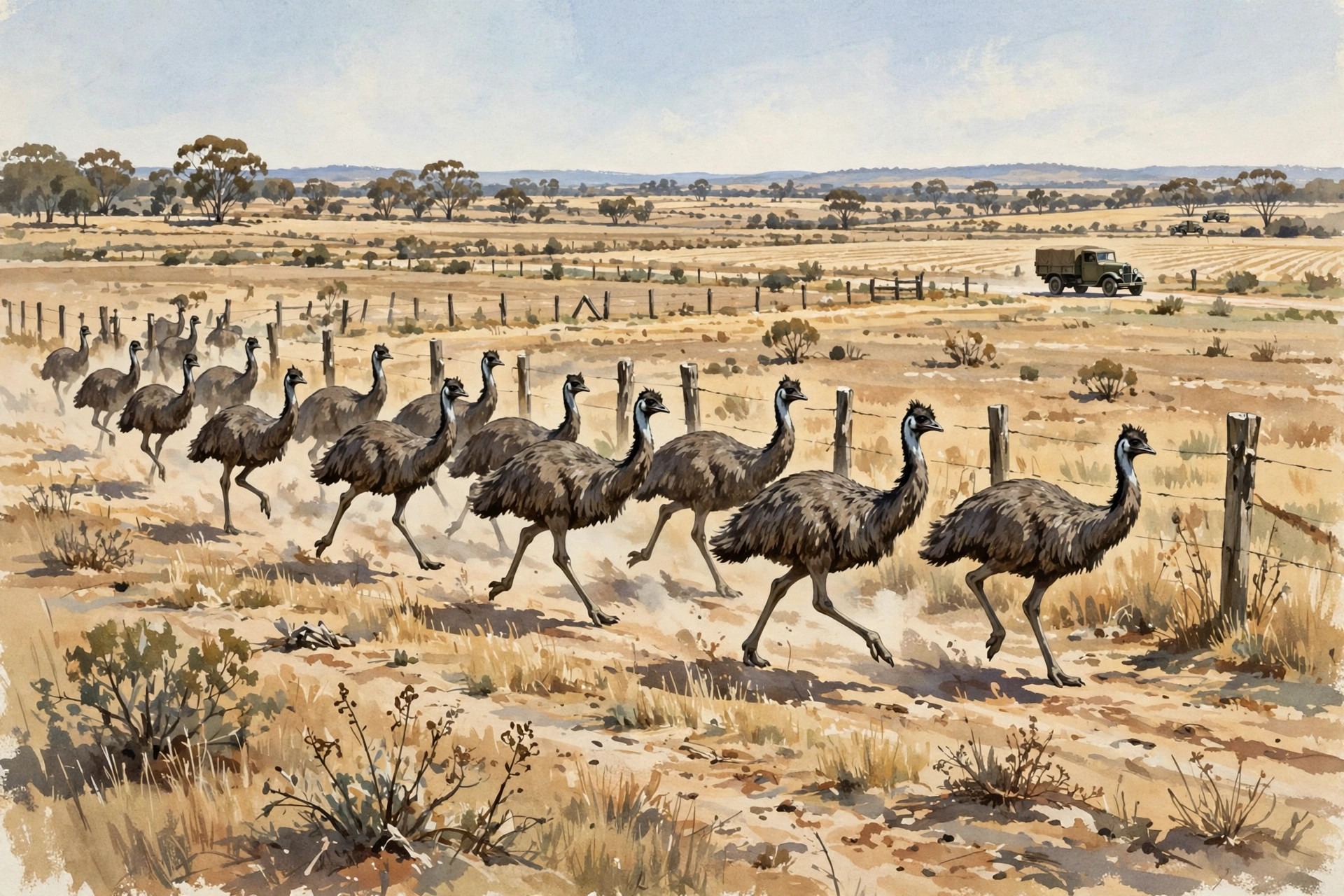
The Great Emu War
Australia sent soldiers with machine guns against 20,000 emus. The emus won.
History · Funny True History
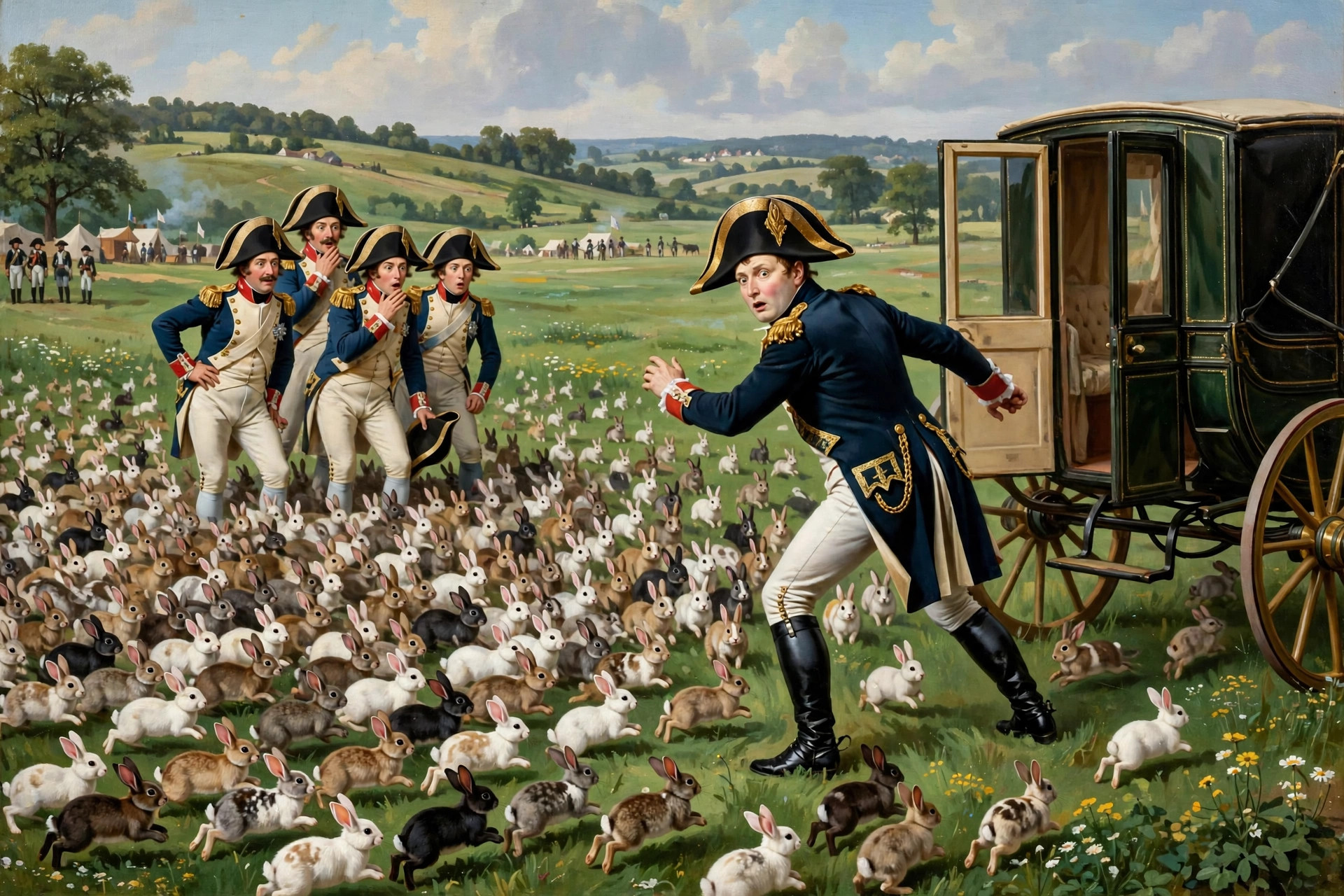
Napoleon Attacked by 1,000 Bunnies
The emperor who beat armies across Europe once lost a fight to a field full of tame rabbits.
History · Stickman Mob History
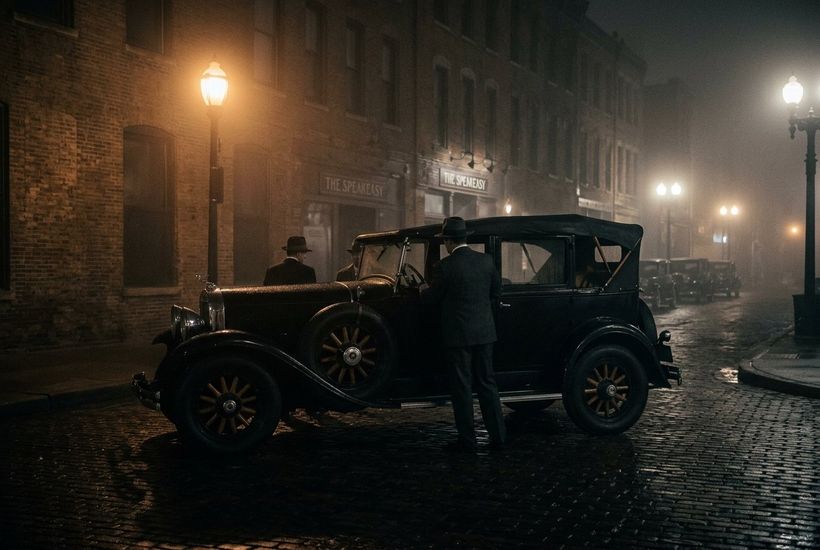
Prohibition: The Ban That Built the Mob
America banned drink to make the country better. Instead it made gangsters rich. Here is how a dry law built an empire.
Prepper
12 postsGrid-down plans for a family, in plain steps. Start small. Do one post at a time. Each one ends with a short list you can work from.
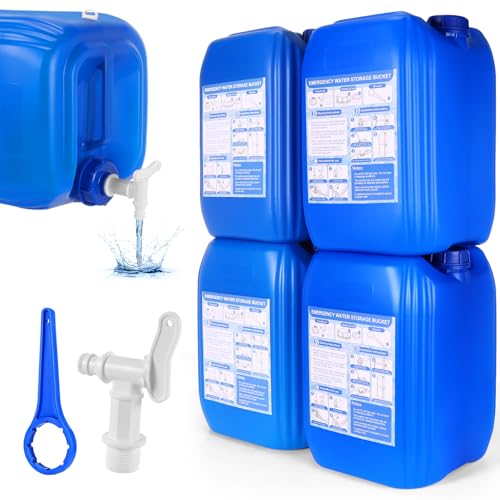
Prepper · Grid Down
Start With Water
You can skip food for days. You cannot skip water. This is the first thing to fix, and it is the cheapest.
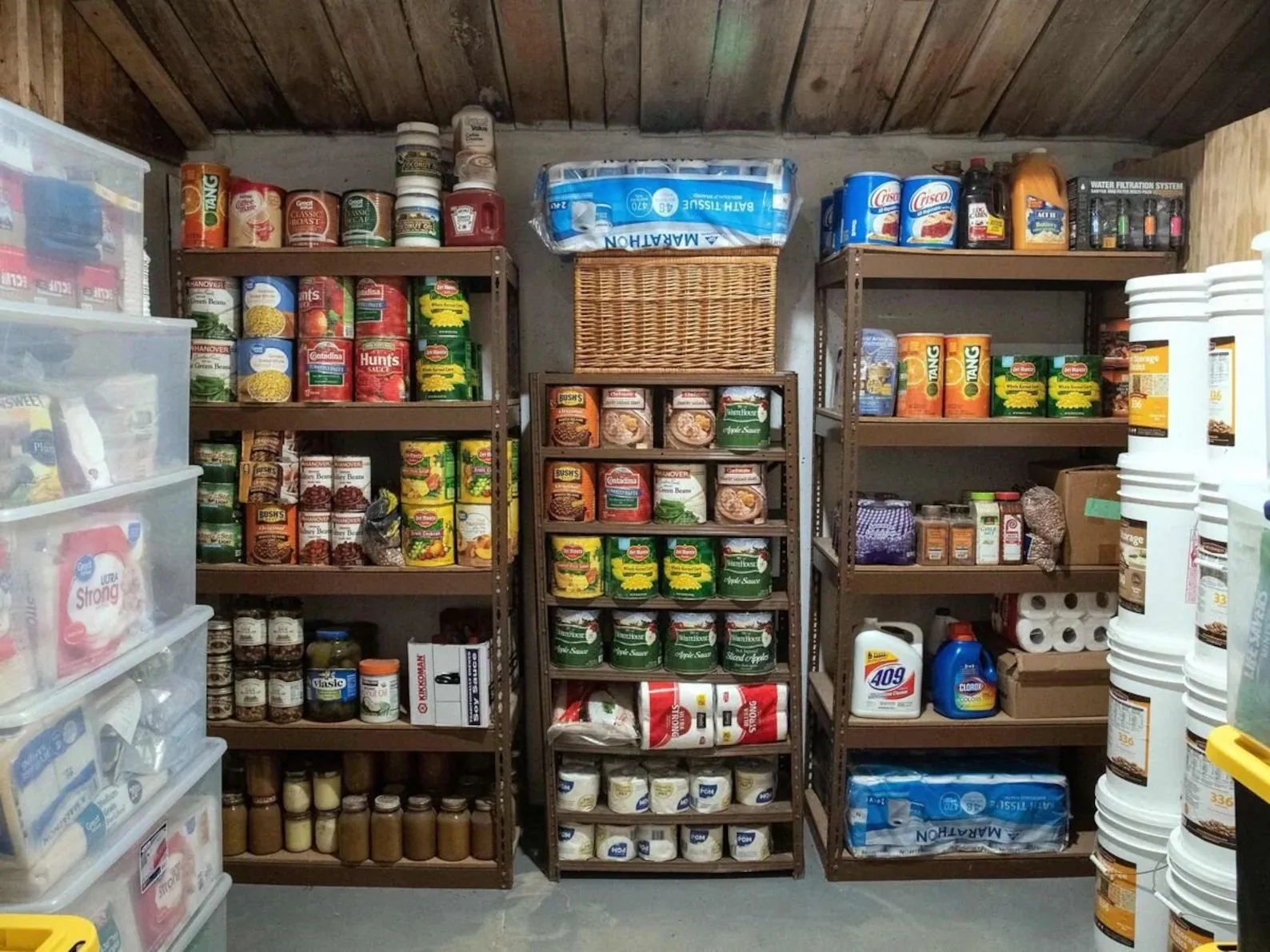
Prepper · Grid Down
Build a Pantry Your Family Will Eat
Do not buy strange food nobody likes. Buy more of what your family already eats. That is the whole trick.
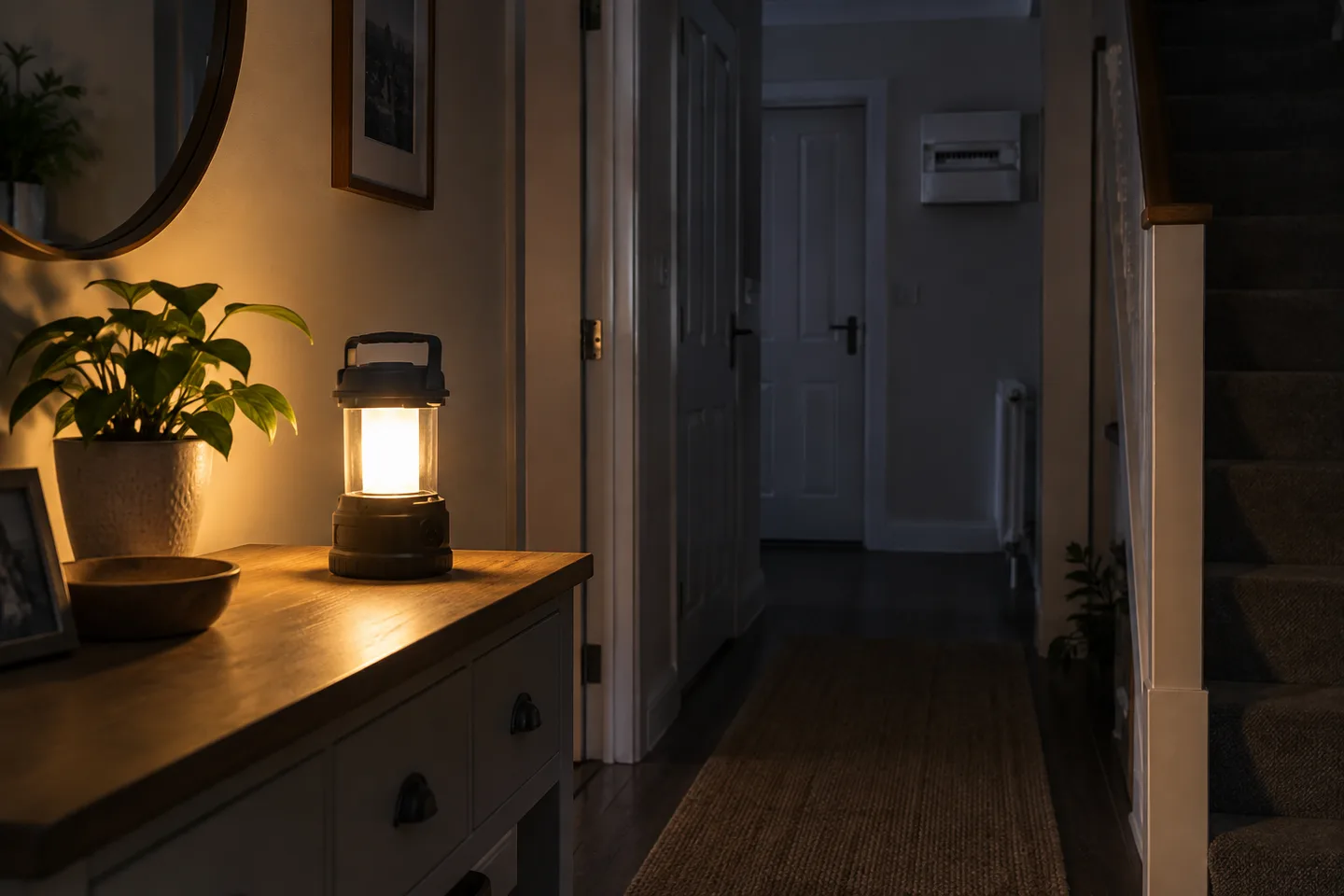
Prepper · Grid Down
First Night Without Power
The lights will go out one night. Storm, ice, or a broken line. Here is the calm order to do things in.
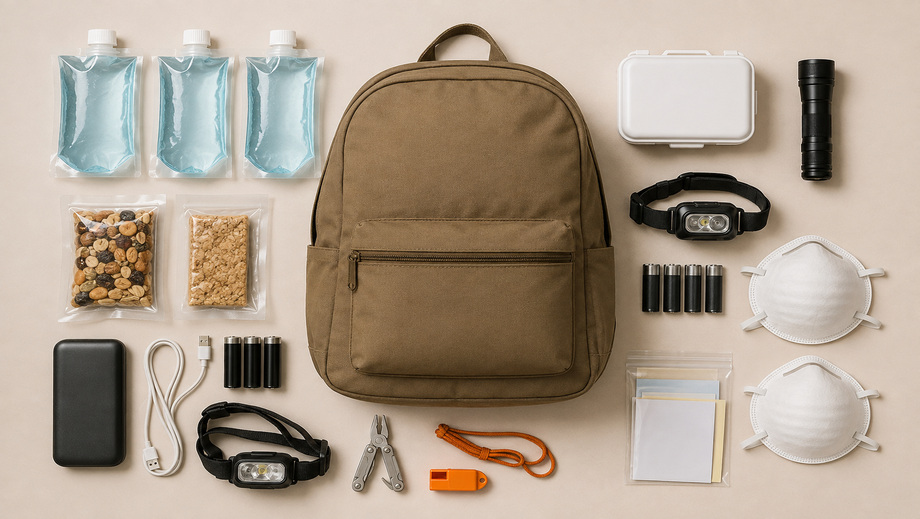
Prepper · Grid Down
One Go-Bag for Each Person
If you had to leave the house in five minutes, what would you grab? Pack it now, while things are calm.
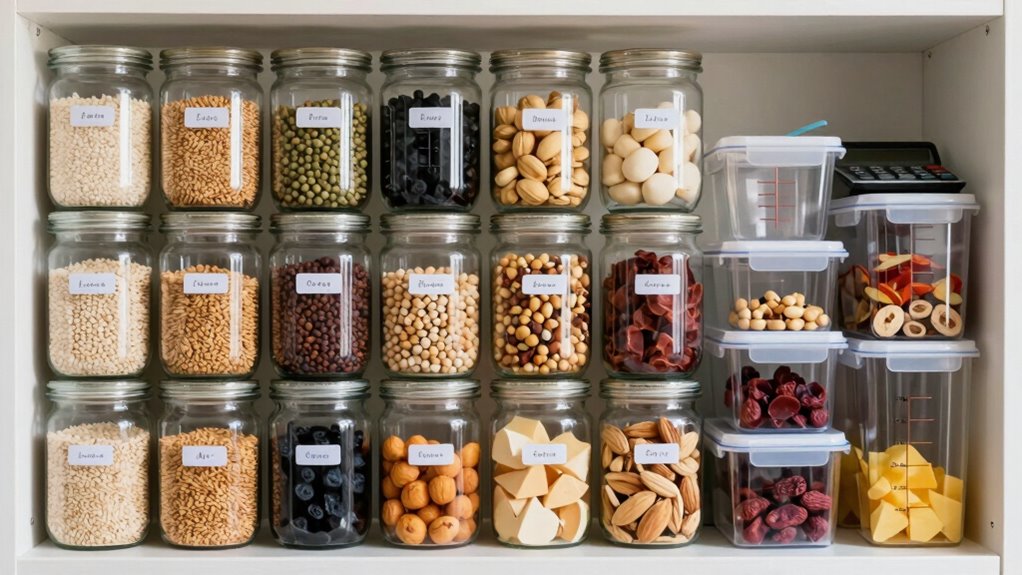
Prepper · Grid Down
Rice, Beans, and Oats: Store Them Right
Three cheap foods that last for years if you store them right — and spoil fast if you store them wrong.
Prepper · Red Cross Guide
Store Water the Safe Way
The Red Cross way to store water: the right containers, cleaned the right way, dated, and kept cool and dark.
Prepper · Red Cross Guide
Hidden Water in Your Home
Your house already holds safe water — in the hot-water tank, the pipes, and the freezer. Here is how to get it, and what never to drink.
Prepper · Red Cross Guide
How to Make Water Safe
Boiling and plain bleach, step by step — the Red Cross way to make water of uncertain quality safe to drink.
Prepper · Red Cross Guide
When the Power Goes Out: Which Food to Eat First
Fridge first. Then the freezer. Then the shelf. The simple order that saves the most food.
Prepper · Red Cross Guide
How Long Stored Food Keeps
Some foods keep six months. Some keep a year. Some keep almost forever. The Red Cross list, in plain order.
Prepper · Red Cross Guide
How to Cook When the Power Is Out
Fireplace inside, grill outside only, and canned food straight from the can. Safe ways to eat hot when the grid is down.
Prepper · Red Cross Guide
Build Your Disaster Kit
The full Red Cross kit list — three days of food and water, light, first aid, cash, papers, and the small things everyone forgets.
Photo credits
- Sputnik replica — Science Museum Group Collection
- Paris taxi, 1914 — AutoPapo
- Stocked pantry shelves — Etsy listing photo
- Lantern in a dark hall — Westwood Electrical
- Speakeasy street scene — Chicago Gangsters and Ghost Tours
- World War I story pictures — original illustrations made for this blog